







Search Results for: logistics delays
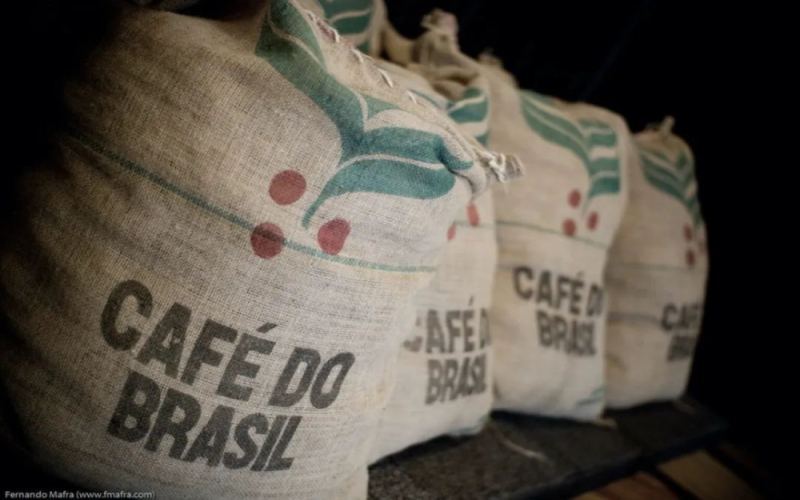
Brazil's coffee exports set a new single-month record in October—what lies ahead amid the dual challenges of logistics and climate?
The latest report from the Brazilian Coffee Exporters Council shows that although about 2.1 million bags of coffee beans were stranded at ports due to logistics problems at the end of September, Brazil's coffee exports in October still bucked the trend to hit a monthly record high of 4.926 million bags, up 11.6% year on year, with total export value reaching US$1.393 billion. Germany became the largest importer of Brazilian coffee beans in the first 10 months of this year, importing 6.64 million bags in total, accounting for 23.9%. However, multiple factors such as port congestion, ship delays, historic drought and forest fires, and the depreciation of the real are still constraining the subsequent development of Brazil's coffee industry, and the production and export prospects for the new crop season face uncertainty. [more…]
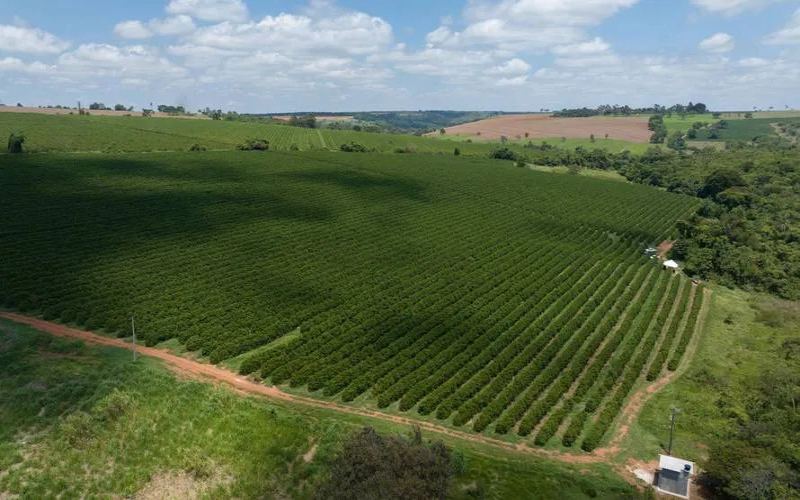
Brazil's November Coffee Exports Up 5.4%, Strikes and Logistics Hurdles May Weigh on Subsequent Shipments
According to the latest data from the Brazil Coffee Exporters Council, Brazil's coffee exports reached 4.662 million bags in November, up 5.4% year-on-year, while export revenue surged 62.7% due to rising international prices. Cumulative exports in the first 11 months of this year have set a new historical record, but fell month-on-month, as producers slowed sales amid higher futures, exchange rate fluctuations and uncertainty over the new crop season. At the same time, port logistics bottlenecks and an indefinite strike by customs auditors from the Federal Revenue Service are bringing additional costs and delay risks to the export chain. With both Brazil and Vietnam troubled by drought and global supply tightening, Arabica and Robusta futures continue to climb, and coffee prices are expected to remain high in the short term. Follow origin developments, and Front Street Coffee will continue to bring frontline news. [more…]
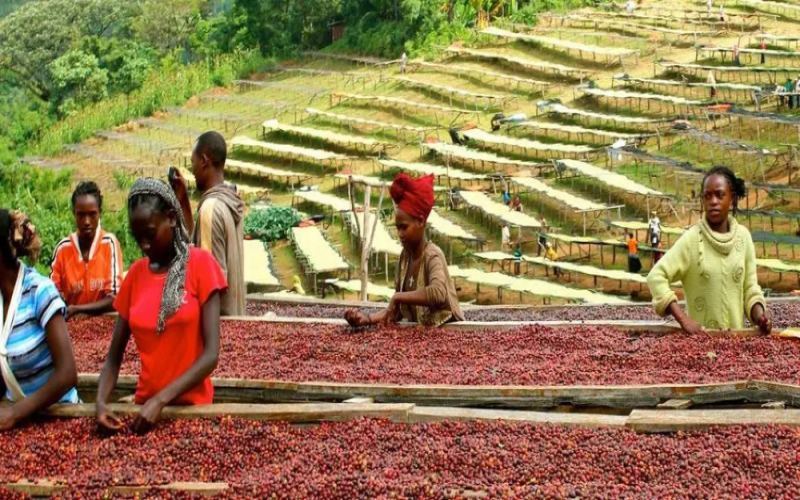
Ethiopian Coffee Exports Face Shipping Delays, Government Plans to Open Rail Freight to Private Capital
Ethiopia's domestic security situation remains tense, with truck drivers frequently attacked, severely disrupting overland transport of major exports such as coffee. As coffee exports account for 30% to 35% of the country's export earnings, transport problems could exacerbate inflation and economic recession. The government is considering shifting to rail transport and plans to allow the private sector to participate in rail freight to reduce logistics costs. However, the existing railway faces challenges including speeds of only 30 kilometers per hour and capacity that is far from fully utilized. This article will outline the background of the situation, its impact, and possible future solutions, along with related product recommendations from Front Street Coffee. [more…]
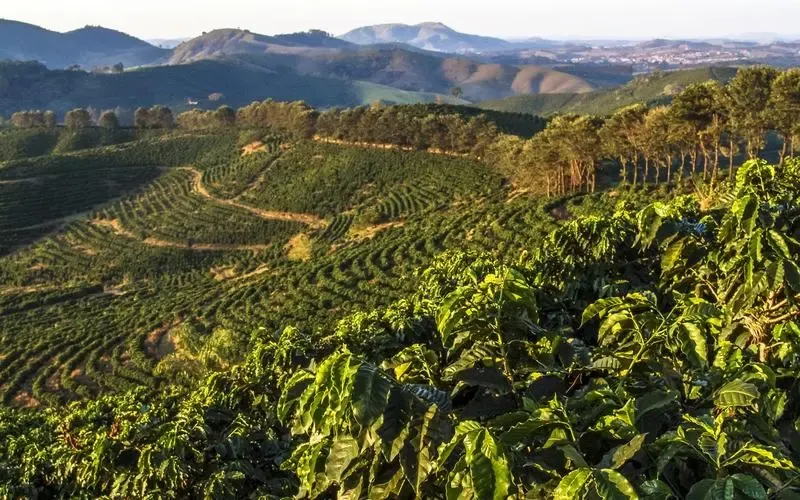
Brazil's April coffee exports surged 53.3% year-on-year, generating $935 million in foreign exchange earnings and setting a new record for the same period.
Latest data from the Brazil Specialty Coffee Association (Cecafe) shows that Brazil's coffee exports performed strongly in April this year, with a total of 4.222 million 60-kg bags exported, up 53.3% year on year, setting a record high for that month and generating US$935.3 million in foreign exchange earnings, an increase of 52.6% year on year. In the first four months of this year, cumulative exports reached 16.242 million bags, with revenue of US$3.444 billion, both setting all-time records. Arabica still accounted for 76.77% of total exports, while robusta export volume rose 528% year on year. Tight global supply, reduced production in Vietnam and the Red Sea crisis pushed up market demand and coffee prices. However, severe delays at major ports such as Santos, combined with the risk of frost in the south, mean subsequent exports still face the dual challenges of logistics and weather. [more…]
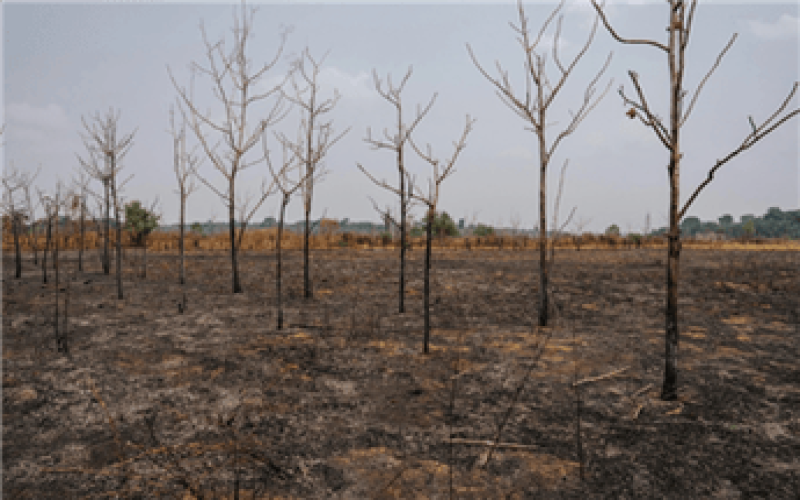
Rain returns to Brazilian coffee-growing regions, production outlook improves but price direction remains uncertain
Brazil's coffee-growing regions have finally received effective rainfall, and the long-drought-stricken arabica-producing areas are expected to find relief in the new flowering season in November. However, months of extreme heat and water shortages have already caused substantial damage to production for the 2024/25 and 2025/26 crop years. Water levels in the Amazon basin remain at historic lows, and shipping disruptions are driving up logistics costs. At the same time, the sharp plunge in the real exchange rate, port delays, and the postponement of the EU's EUDR policy, among multiple interwoven factors, have filled the outlook for Brazil's coffee production and prices with uncertainty. This article reviews the latest weather developments, industry impacts, and chain reactions in the market, and includes Front Street Coffee's continued attention to origin information. [more…]

Heavy Rain in Southern Brazil Devastates São Paulo Coffee Region, Flooding Threatens New Crop Yield During Flowering Season
Several states in southern Brazil have recently been hit by severe storms and heavy rain, with São Paulo and Rio de Janeiro states particularly hard hit, causing casualties and widespread power outages. This coincides with the flowering season for Brazilian coffee trees, and excessive rainfall and flooding could wash out farmland and knock coffee flowers off the trees, threatening production for the new season. At the same time, disrupted rainfall patterns in Minas Gerais are making the planting situation even more severe. The storms have also affected logistics and transportation, worsening ship delays at ports. The market is worried that a reduction in Brazilian coffee production will persist, and prices may remain high or even rise further. This article will review the impact of the disaster and the subsequent trajectory of the coffee industry. [more…]
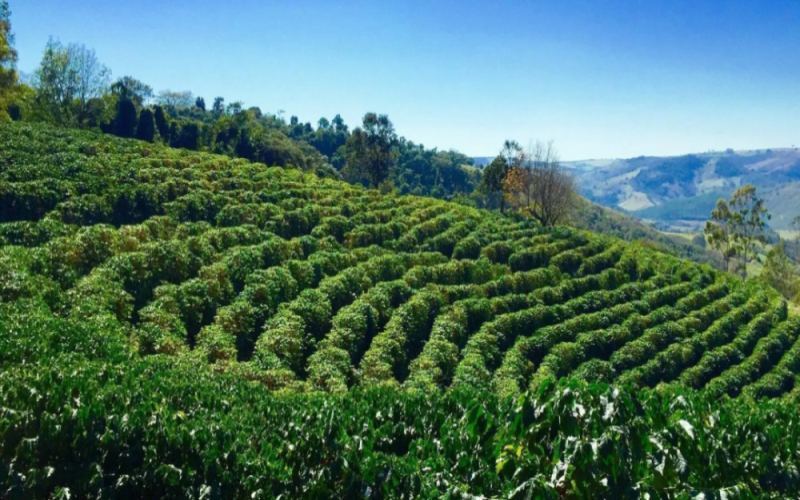
Global supply tightness combined with a weakening dollar keeps coffee bean prices climbing
The international coffee market has recently experienced a significant rally, with prices for both Robusta and Arabica rising. The factors driving this surge are complex: Brazil's coffee-growing regions continue to suffer from drought, and logistics delays at the Port of Santos occur frequently; the US dollar index has come under downward pressure due to rate cut expectations, and the Brazilian real has strengthened accordingly; Vietnam's Robusta supply is tight, and local green bean purchase prices have repeatedly hit new highs. At the same time, the USDA forecasts that global coffee production in the new year will increase by 4.2% year-on-year, but the trends among different varieties are clearly divergent. This article will review the supply and demand dynamics and price logic of major producing regions to help readers grasp the current pulse of the coffee market. [more…]

Colombia Distributes 55.7 Million Coffee Seedlings, 2024/25 Production Forecast Raised to 12.9 Million Bags
Colombia's coffee industry has recently received a series of positive signals. Starbucks, in collaboration with the Colombian Coffee Growers Federation (FNC), has distributed 55.7 million disease-resistant coffee seedlings to local farmers, reaching over 17,000 growers across 17 departments. After the effects of El Niño and drought, the arrival of the rainy season in October has led to a gradual recovery in production. The FNC estimates that production for the 2023/24 year will reach 12.8 million bags, while the USDA FAS forecasts that the 2024/25 year could reach 12.9 million bags. However, factors such as severe weather in Brazil and logistics delays have driven Arabica prices to a 47-year high, and the market expects prices to remain elevated in 2025. [more…]
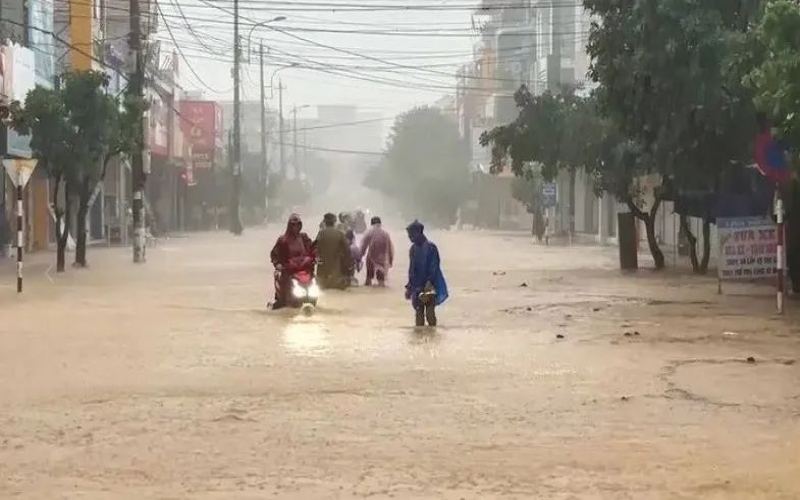
Successive Typhoons Batter Vietnam: Coffee Harvest Off to a Slow Start as Exports and Transport Come Under Pressure
Central Vietnam experienced strong winds and heavy rain after Typhoon Trami made landfall, damaging dikes, houses, farmland, and transportation and logistics infrastructure—just as the new coffee harvest season was getting underway. Looking back over the year, Vietnam's coffee industry first endured its worst drought in nearly a decade, then was hit by two typhoons in succession, Typhoon Yagi and Typhoon Trami, with the main producing areas in the Central Highlands also experiencing strong winds and heavy rain. Delayed harvesting, blocked roads, and closed ports combined to make new-crop supply even tighter; yet despite lower export volumes, export value hit a record high on rising prices. This article reviews the disaster impact, production and export data, and looks at price trends going forward. [more…]
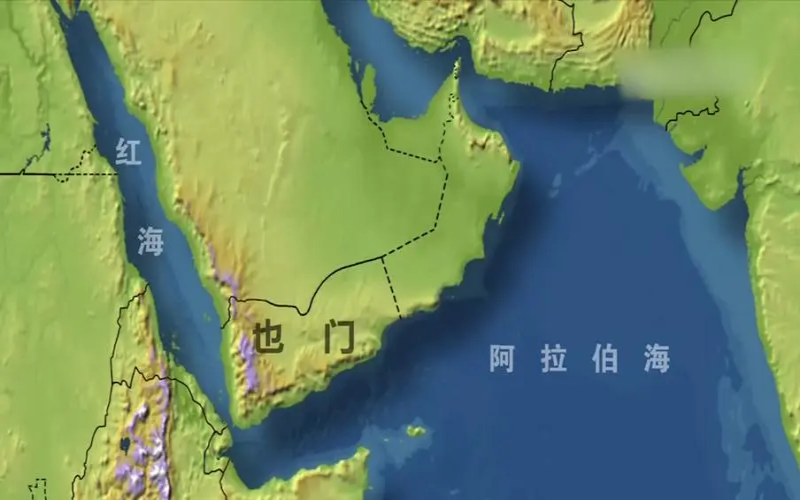
Red Sea shipping disruptions drive up coffee transport costs, war risk surcharges introduced, global prices continue to climb
Recently, the security situation in the Red Sea and the Gulf of Aden has remained tense, causing most shipping companies to suspend or adjust routes through the Suez Canal and instead divert around the Cape of Good Hope. In its latest monthly logistics report, Swiss coffee trader Sucafina noted that frequent armed attacks have sharply increased risks near the Bab-el-Mandeb Strait; some carriers have resumed passage, but several companies, including CMA CGM and Maersk, have announced they will impose war risk surcharges. Route changes have extended shipping cycles by 2 to 3 weeks, reduced container turnover efficiency, and tightened capacity, which may further push up freight rates. Meanwhile, coffee transport in East African producing regions has been disrupted by truck and fuel shortages, with severe congestion at ports such as Dar es Salaam. Although Vietnamese robusta coffee prices have edged down slightly, Brazilian coffee prices have continued to rise on drought concerns. Front Street Coffee notes that supply chain pressure is transmitting from the shipping side to the consumption side, and coffee prices still face upside risks in the short term. [more…]

Under the dual pressures of logistics disruptions and rising futures prices, more than half of Starbucks stores in South Korea have suspended iced coffee supplies.
Affected by rising coffee futures prices and ongoing international logistics disruptions, Starbucks Korea has experienced a round of coffee bean supply fluctuations since the beginning of this year. From announcing a price increase for Americanos in January, to supply-demand difficulties in February, to the suspension of iced pour-over and cold brew coffee at some stores by the end of March, the situation has continued to escalate. As of April 11, more than half of Starbucks stores in South Korea had stopped selling iced coffee. Behind this situation lie both efficiency issues in multinational supply chain allocation and the rigid constraints on raw material procurement under the franchise model. Why can't Starbucks Korea procure coffee beans on its own? Why do espresso beans and iced coffee beans have different supply priorities? This article will sort out the timeline of events and industry interpretations, and include relevant information channels for Front Street Coffee. [more…]
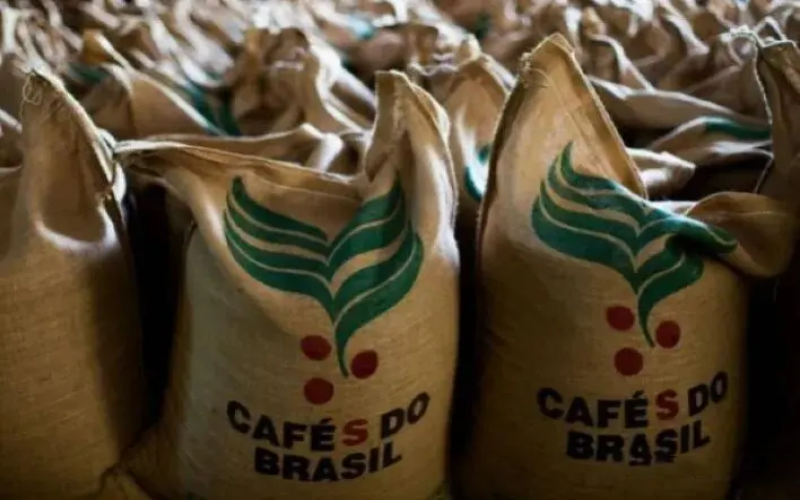
Brazil's CECAFÉ reports a strong 39% surge in January coffee exports, with robusta skyrocketing fivefold, and a positive outlook for the new crop season.
The latest report from the Brazil Specialty Coffee Association (CECAFÉ) shows that Brazil's coffee exports got off to a strong start in January, with exports of 60-kg bags reaching 3.961 million bags, up 39% year-on-year, while foreign exchange revenue rose 30.4% in tandem to US$802.5 million. Robusta exports surged 503.5%, becoming the main growth engine, while Arabica and instant coffee also maintained stable shares. Despite ongoing logistics challenges such as the Red Sea shipping crisis, drought in the Panama Canal, and strikes at Brazil's Santos port, Brazil's coffee exports still showed resilience. Notably, major Robusta-producing countries such as Vietnam experienced supply gaps due to drought and delivery issues, creating substitution opportunities for Brazil. International investment bank Itaú BBA predicts that Brazil's coffee production in the 2024/25 season is expected to reach 69.4 million bags, up 4.6% from the previous year. Front Street Coffee will also continue to monitor Brazil coffee market trends and bring fresh information to enthusiasts. [more…]
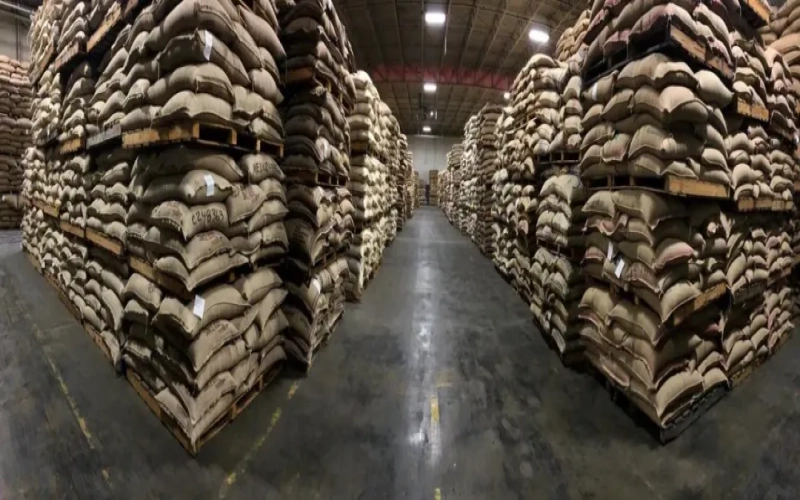
Brazil’s Coffee Exports Rose Nearly 50% in July, but Port Delays Caused $300 Million in Losses
The July report from the Brazilian Coffee Exporters Council (Cecafe) shows that coffee exports for the month reached 3.774 million bags, up 25.7% year-on-year, with foreign exchange revenue of US$932.5 million, an increase of 47.9%, with robusta performing especially strongly. In the first seven months of 2024, cumulative exports reached 2.8146 million bags, up 46.3% year-on-year. However, major ports such as Santos continued to face congestion, and 1.262 million bags of coffee were not shipped in July, causing losses of about US$313 million, while traders' additional costs totaled 7.456 million reais. Severe weather further exacerbated the delays, posing a threat to the international reputation and long-term development of Brazilian coffee. [more…]
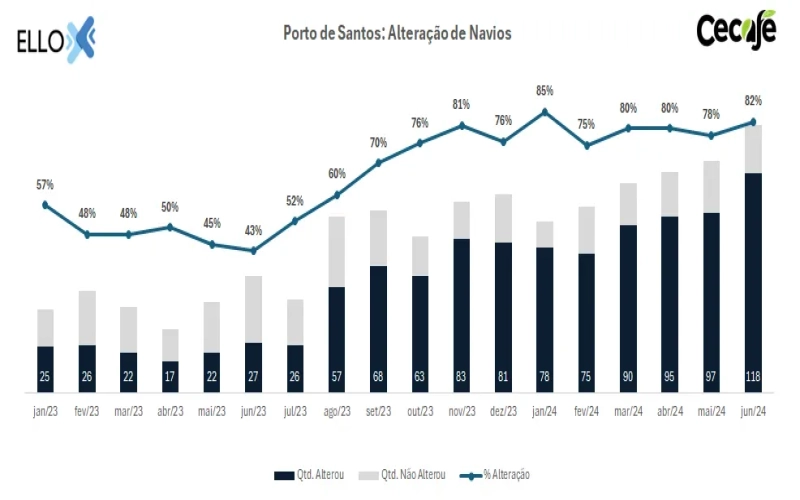
Brazilian coffee exports hit by a double whammy: port delays cause $290 million in losses, while high temperatures and drought continue to threaten production.
The Brazilian coffee industry is currently facing severe challenges. According to the latest report from the Brazilian Coffee Exporters Council, the delay rate at major ports reached 62% in June, leaving 1.23 million bags of coffee unable to be exported on schedule and causing foreign exchange losses of approximately US$290 million. The delay rate at the Port of Santos climbed to a record high of 82%. At the same time, persistent high temperatures and drought are affecting core producing regions such as Minas Gerais, and harvested coffee beans are showing undersized defects, with production expected to be revised down by 2 to 3 million bags. In addition, the dengue fever outbreak has exacerbated labor shortages, further weighing on exports. Front Street Coffee continues to monitor developments in Brazilian producing regions and brings you the latest industry analysis. [more…]
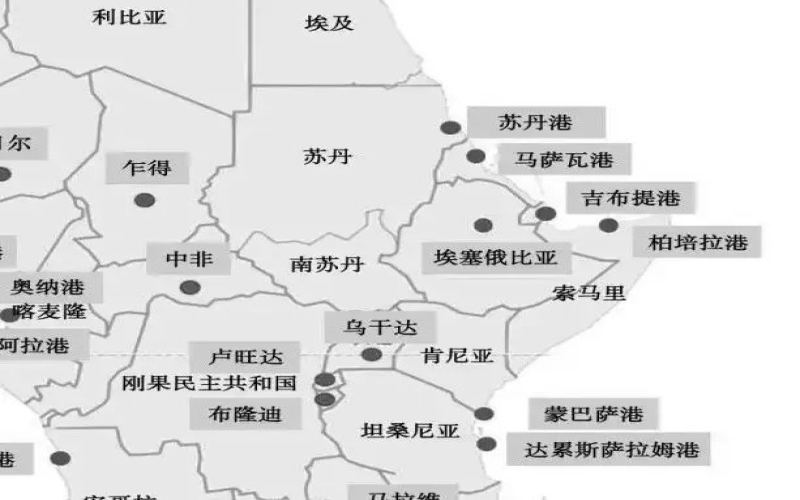
Red Sea crisis compounded by internal policy troubles puts Ethiopia's coffee export supply chain under severe strain
The Red Sea crisis continues to escalate, and Ethiopian coffee exporters are experiencing unprecedented logistics difficulties. Only one ship docks at the Port of Djibouti each month, leaving large quantities of coffee beans stranded at the port, while turning to Kenya's Port of Mombasa means facing a long overland transport route. At the same time, domestic policy factors such as the "vertical integration" plan and caps on bank loan growth are further disrupting the supply chain. Growers and suppliers are owed billions of birr in receivables, which has even triggered violent clashes and suicides. Coffee exporters are calling on the government to come up with a long-term solution rather than temporary fixes. This article will provide an in-depth analysis of how this multifaceted crisis is striking at the export lifeline of a globally important coffee-producing region. [more…]
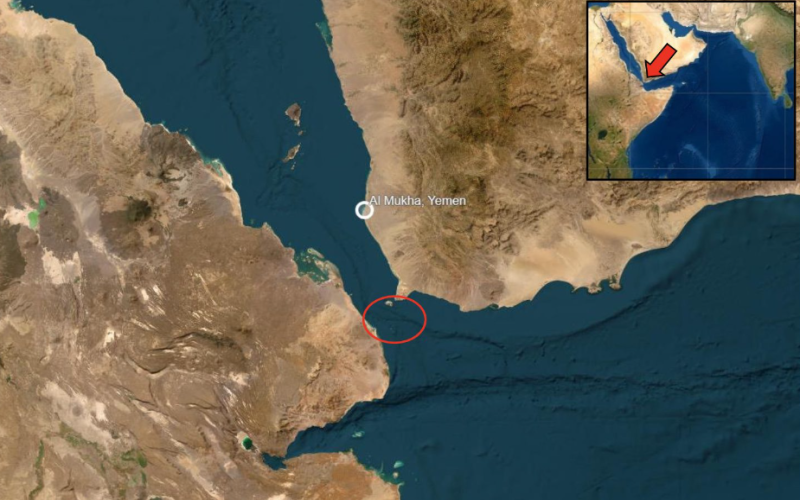
Red Sea Security Crisis Hits Global Coffee Supply Chain: Shipping Disruptions and Rising Prices
Recently, the Houthi armed forces in Yemen launched a large-scale attack on U.S. warships in the Red Sea. Although the U.S. military successfully intercepted the attack, the incident once again highlighted the tense situation in the Red Sea region. Since the escalation of the Israeli-Palestinian conflict last year, the Houthis have frequently attacked commercial ships, forcing global shipping routes to change and thereby having a profound impact on the coffee trade. Problems such as soaring transport costs, longer voyages, and container shortages followed one after another. European buyers turned to Brazil for purchases, East African coffee exports were hit hard, and international coffee prices continued to rise. This article will analyze in detail how the Red Sea crisis has disrupted the global coffee supply chain and discuss its specific impact on coffee-producing regions and consumer markets. [more…]
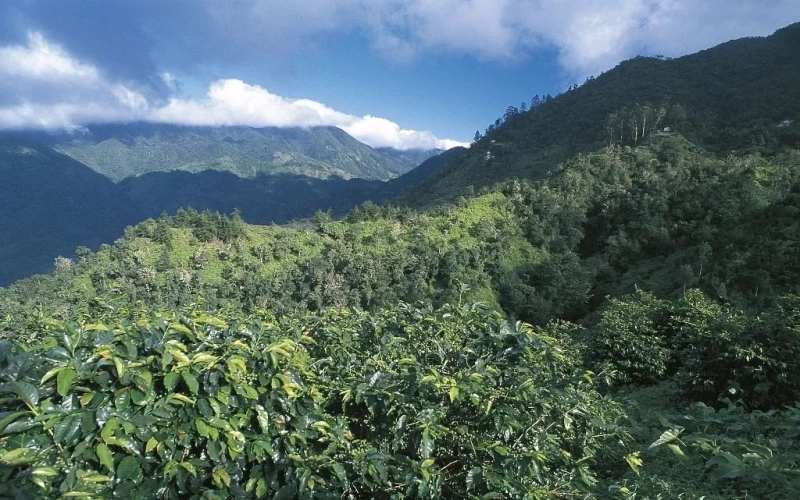
Kenya's Coffee Industry Faces Multiple Challenges: Dual Pressure from New Regulations and Declining Production
The Kenyan coffee industry is facing unprecedented challenges. The latest report from the United States Department of Agriculture shows that, affected by a reduction in planted area and heavy rains, Kenya's coffee production in the 2024/25 marketing year is expected to fall to 750,000 bags, a year-on-year decline of 6.3%. At the same time, new policies and regulations implemented by the government are also profoundly affecting the entire industry chain, with impacts from production and processing to export trade. This series of changes has not only affected Kenya's coffee export volume and prices, but has also had a far-reaching impact on farmers' livelihoods and industry development. Front Street Coffee will provide you with an in-depth analysis of the current situation and future of Kenya's coffee industry. [more…]
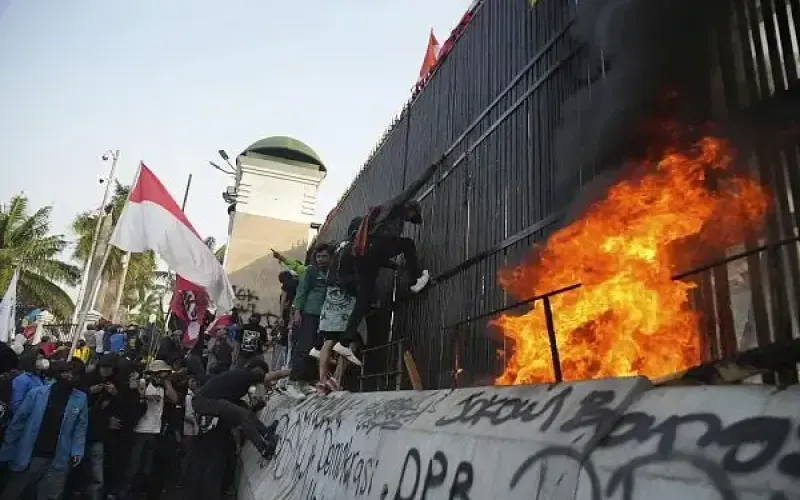
Indonesian Protest Wave Hits Coffee Industry: Exports Plunge by More Than Half, Casting a Shadow Over Origin Prospects
Large-scale protests erupted in multiple parts of Indonesia against the amendment to the Regional Election Law, and the situation in front of the Indonesian parliament building in Jakarta briefly spiraled out of control, with more than 300 people arrested. This political turmoil comes just as Indonesia's coffee industry faces severe challenges—exports from the Sumatra production region plunged by more than 50% year on year, and compounded by high global robusta prices and the Red Sea crisis, Indonesia's coffee market remains sluggish. The protests have affected union participation and obstructed logistics, and industry insiders are generally pessimistic about the outlook for the coffee industry. This article will sort out the ins and outs of the incident and its deep impact on the coffee industry. [more…]
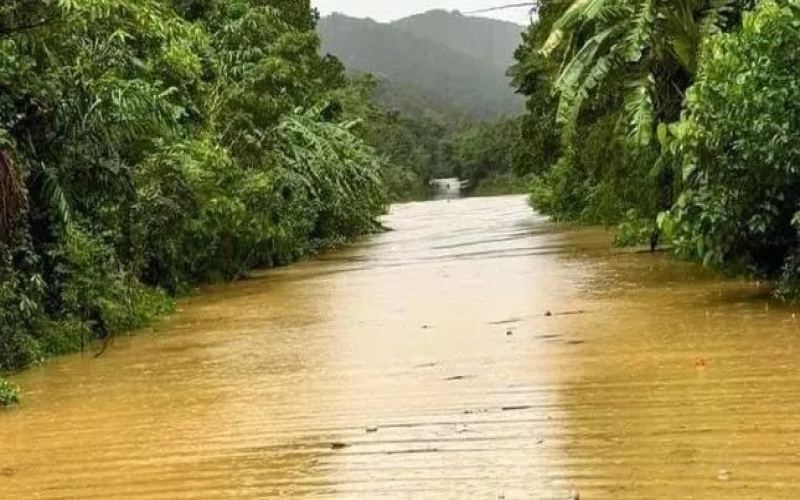
Vietnam Hit by Successive Tropical Storms, Port Congestion Worsens Coffee Export Woes
Central Vietnam was hit by two consecutive tropical storms in September, causing casualties and severe damage to infrastructure. Although the main coffee-growing regions were not directly affected, heavy rainfall has clouded the harvest outlook. More critically, major export hubs such as Haiphong Port and Da Nang were paralyzed by the storms, leaving large numbers of shipping containers backed up and severely disrupting coffee exports. Combined with reduced output caused by drought earlier in the year and steadily climbing domestic spot prices, the supply difficulties facing Vietnam—the world's second-largest coffee producer—are driving up international robusta futures prices. Front Street Coffee continues to monitor developments in the producing regions. [more…]
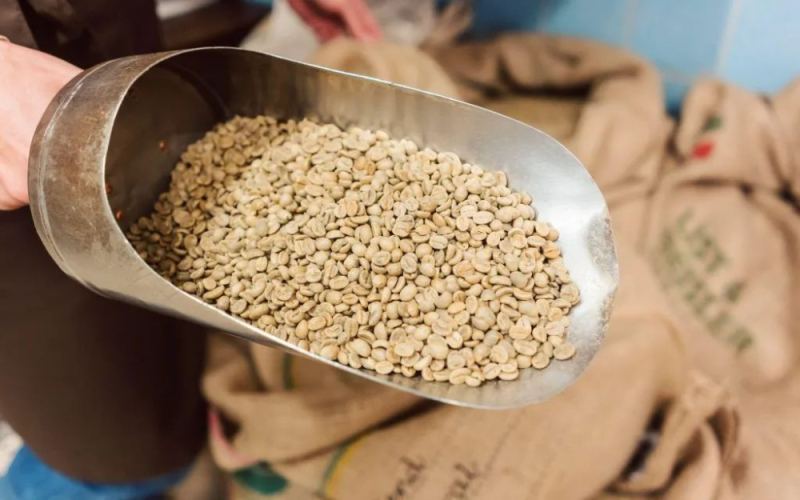
ICE Arabica certified stocks fall to a 24-year low, with nearly 30% of green beans stored for over a year becoming aged beans
Intercontinental Exchange's certified arabica green coffee inventory has plummeted to a 24-year low, totaling just 368,000 bags. More alarmingly, nearly one-third of these beans have been sitting in delivery warehouses for over a year, becoming stale coffee. This situation stems from spot prices exceeding futures prices, prompting roasters to buy directly from exchange stocks, while congestion at Brazilian ports makes replenishment with new beans a distant prospect. The combination of low inventory and the stale bean problem, compounded by global economic and financial uncertainty, has led the market to widely expect green coffee prices to remain highly volatile in the medium term. [more…]